📖 Table of Contents
🌟 Introduction to Demon Slayer
Demon Slayer (鬼滅の刃, Kimetsu no Yaiba) has taken the global anime world by storm since its debut in 2019. But many fans still wonder about the deeper Demon Slayer background — the intricate lore, historical influences, and narrative layers that make this series a masterpiece. This guide is designed to bring both new and seasoned fans up to speed, with a focus on the Demon Slayer background that shapes every sword swing and every tear shed by the characters.
Created by Koyoharu Gotouge, the manga was serialized in Weekly Shonen Jump from February 2016 to May 2020, spanning 23 volumes. The anime adaptation by Ufotable became a cultural phenomenon, breaking box office records with Mugen Train and redefining what anime movies can achieve.
In India, the fandom has exploded, with dedicated communities, cosplay events, and screening parties. Whether you are a Tamil anime fan seeking to book Demon Slayer movie tickets in Tamil or just curious about the series' background, this page is your one-stop resource.
📜 The Creation Story
Koyoharu Gotouge was inspired by classical Japanese ghost stories (kaidan) and the folklore of oni (demons/ogres). The concept of demons being psychological manifestations of human suffering resonates deeply with readers. Gotouge's storytelling combines heartfelt emotional beats with intense, well-choreographed action sequences that are notorious in the shonen genre.
The initial concept went through several iterations — early drafts featured a different protagonist and a more one-dimensional antagonist. The breakthrough came when Gotouge centered the story around family bonds, particularly the relationship between Tanjiro and Nezuko, which serves as the emotional anchor for the entire narrative.
Ufotable's adaptation elevated the source material with stunning animation, especially the Breathing Styles visualized with gorgeous fluid dynamics and particle effects. This visual splendor is a key part of why the Demon Slayer background feels so vivid on screen.
🌌 The Demon Slayer Universe Explained
To truly understand the Demon Slayer background, we need to examine the universe Gotouge built. It's a world where demons exist alongside humans, hidden in plain sight, and where a secret organization fights to protect humanity.
The Demon Slayer Corps (鬼殺隊, Kisatsutai)
The Demon Slayer Corps is the main force fighting demons. It operates outside official government control, funded by wealthy benefactors and longstanding aristocratic families. They use Nichirin swords made from sun-soaked iron ore to kill demons.
Organization Structure
- Oyakata-sama — The leader of the Corps, from the Ubuyashiki family.
- Hashira (Pillars) — The nine strongest swordsmen, each with unique skills.
- Kinoe to Kinoto — High-ranking slayers.
- Normal slayers — Various ranks from Mizunoto to Kinoe.
- Tsuguko — Protégés training to become Hashira.
The Hashira
The Hashira are the strongest of the Demon Slayer Corps. Here's a quick list as of the current story arc:
| Hashira | Breathing Style |
|---|---|
| Kyojuro Rengoku | Flame Breathing |
| Giyu Tomioka | Water Breathing |
| Mitsuri Kanroji | Love Breathing |
| Obanai Iguro | Serpent Breathing |
| Shinobu Kocho | Insect Breathing |
| Muichiro Tokito | Mist Breathing |
| Gyomei Himejima | Stone Breathing |
| Sanemi Shinazugawa | Wind Breathing |
| Tengen Uzui | Sound Breathing |
Demons & Muzan Kibutsuji
Demons are created from humans through Muzan's blood. They gain supernatural abilities but lose their humanity and become vulnerable to sunlight. Muzan Kibutsuji, the first demon, is the progenitor and ultimate villain. His goal is to create a demon that can withstand the sun, allowing him to rule the world without fear.
Muzan's character design, aristocratic and ruthless, draws from vampire literature and Japanese demon lore. He is one of the most feared villains in modern anime because of his intelligence, tactical cruelty, and the personal threat he poses to every character we love.
Breathing Styles
Breathing styles are specialized techniques that let slayers enhance their physical capabilities. Each style emulates an element: Water, Flame, Wind, Thunder, Stone, Love, Insect, Mist, Serpent, Sound, Moon, and Sun. Total Concentration Breathing is the foundational technique, allowing the body to push beyond normal limits.
🏯 Historical Context: Taisho Era & Folklore
The Demon Slayer background is deeply rooted in the Taisho Era (1912–1926) of Japan. This period marked a transition from the traditional to the modern — Western fashion, ideas, and technology began blending with Japanese heritage. Gotouge brilliantly uses this backdrop to create a world that feels both nostalgic and unique.
The Taisho setting also had a darker side: poverty, disease, and social inequality. Many demons in the series are former humans who suffered tragic fates — a commentary on how past trauma can consume people if unchecked.
Japanese folklore's oni are typically depicted as monstrous, supernatural beasts. Gotouge reinterprets this concept by making demons sympathetic at times — each demon's backstory often ends with a poignant flashback that humanizes them, making the slaying scenes emotionally complex.
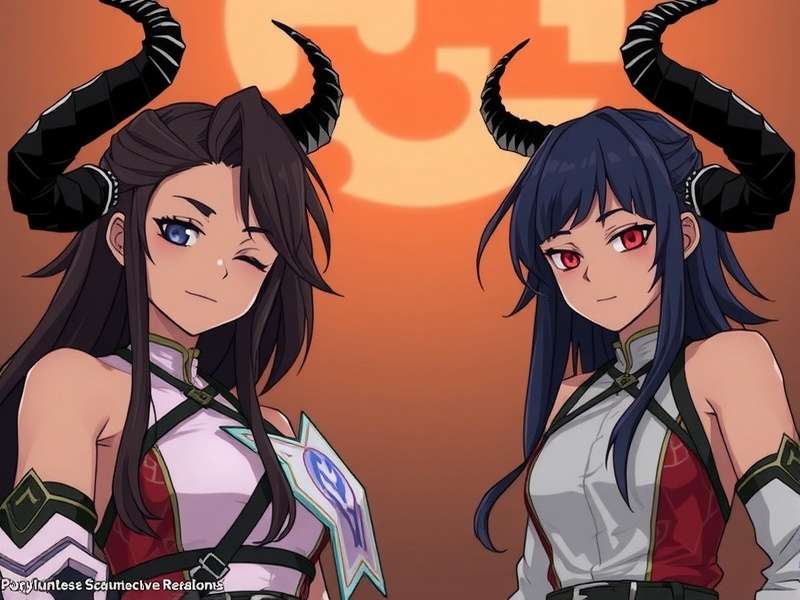
The Taisho-era setting is one of the cornerstones of the Demon Slayer background.
🎬 Demon Slayer Movies and Series in Order
For new viewers, figuring out the correct order to watch Demon Slayer can be confusing. Let's break it down based on the comprehensive watch order guide we have prepared. The key is to follow the storyline chronologically:
- The First Season (Episodes 1–26) — Tanjiro's origin, the reveal of Nezuko as a demon, training with Sakonji Urokodaki, and the Mount Natagumo battle.
- Demon Slayer: Mugen Train (Movie, or TV arc episodes 27–33) — Kyojuro Rengoku's glorious last stand. A must-watch in any format.
- Entertainment District Arc (Episodes 34–44) — The fight against Daki and Gyutaro, a visual spectacle of sound and blood.
- Swordsmith Village Arc (Episodes 45–55) — Muichiro Tokito's awakening, Mitsuri's Love Breathing, and the fight against Hantengu.
- Hashira Training Arc (Episodes 56–61) — The calm before the storm, where all the blades sharpen for the final battle.
- Infinity Castle Arc (Upcoming in the latest movie trilogy) — The invasion of the Infinity Fortress and the final showdown with Muzan.
If you prefer to watch the theatrical versions only, the Demon Slayer movie theater experience is absolutely worth it. For Indian audiences, checking Demon Slayer Infinity Castle showtimes at Cinemark ensures you don't miss out on the big-screen spectacle. And for those who need the Spanish-language perspective, you can also explore Demon Slayer Kimetsu no Yaiba - Castillo Infinito películas.
🌀 The Infinity Castle Saga
The Infinity Fortress is the labyrinthine domain of Nakime, one of Muzan's most loyal demons. It serves as the setting for the final and most climactic battles of the entire series. The architecture is surreal — rooms shift, floors disappear, and the building is spatially impossible, reflecting the fractured minds of the demons who inhabit it.
The Final Battle
In the Infinity Castle, the Demon Slayer Corps launches a full-scale assault. This is where the Infinity Castle arc movie picks up. The arc is structured in several phases:
- Phase 1: The Scattered Team — The entire Demon Slayer Corps gets teleported into the fortress by Nakime, splitting them into small groups.
- Phase 2: The Upper Rank Battles — The remaining Upper Moon demons are confronted and slain one by one. These fights showcase the absolute peak of the slayers' abilities.
- Phase 3: Muzan's Last Stand — Muzan, having lost all his Upper Moons, faces the remaining Hashira and Tanjiro's team directly in a battle of attrition.
👥 Characters Deep Dive
Characters are the soul of Demon Slayer. Understanding their backgrounds is essential to understanding the Demon Slayer background. Let's dive into the main protagonists.
Tanjiro Kamado
Tanjiro is the main protagonist — a kind-hearted boy who becomes a demon slayer after his family is slaughtered by Muzan and his sister Nezuko is transformed into a demon. Tanjiro's defining traits are his immense empathy and his unshakable determination. He doesn't fight for revenge; he fights to cure Nezuko and to spare others from the pain he endured.
Nezuko Kamado
Nezuko is Tanjiro's younger sister, who retains her human emotions after becoming a demon. She sleeps frequently to conserve energy and fights using her own unique blood demon art. She is a beacon of hope — proof that demons can retain their humanity. Nezuko has become an iconic figure in anime for her fierce loyalty and cuteness.
Zenitsu Agatsuma
Zenitsu is a lightning-wielding slayer who has an extreme inferiority complex. But when unconscious, his true potential immediately awakens — using Thunder Breathing: First Form at absurdly high efficiency. His introverted personality and cowardly nature juxtapose with his raw power in battle.
Inosuke Hashibira
Inosuke wears a boar mask and is fiercely competitive. Raised by boars in the mountains, he has a feral nature and uses Beast Breathing. His fight against Tanjiro in the early episodes, and their eventual bond, is one of the most fun dynamics in the series.
Supporting Characters
- Kanao Tsuyuri — Shinobu's tsuguko, who learns to make decisions after following a coin flip her entire life.
- Genya Shinazugawa — A demon slayer who cannot use breathing styles but can briefly eat demon flesh to gain powers.
- Kagaya Ubuyashiki — The gentle but firm leader of the Demon Slayer Corps.
📚 Demon Slayer for Beginners: A Guide
New to Demon Slayer? Welcome! Here's a practical guide to easing into the world of Kimetsu no Yaiba.
How to Start Watching
- Watch the first season if you want the full experience. It's the foundation.
- If you're unsure, start with the Mugen Train Movie — it's a self-contained story with stunning visuals. But be warned: it hits harder if you've watched Season 1 first.
- Read the manga from chapter 1 to see the original art. Gotouge's detailed panels and pacing are well worth it.
Common Questions
Q: Is Demon Slayer for kids?
It isn't strictly for kids. There are violent scenes and intense emotional themes, but nothing overly gory by anime standards.
Q: Can I watch only the movies?
You can watch the movies for the big fights, but the character development arcs only exist in the TV series. For a richer experience, watch both.
Q: What makes Demon Slayer so popular?
The combination of visceral animation, deep emotional resonance, and a straightforward yet powerful plot. It's accessible but profound.
🔥 Exclusive Analysis & Insights
Now, let's go beyond the surface. We've dug deep into the Demon Slayer background to provide analysis you won't find on every blog.
The True Power of Sun Breathing
Hinokami Kagura, which Tanjiro uses, is actually Sun Breathing — the first breathing style that eventually branched into all other styles. This makes Tanjiro's fighting style uniquely close to the original essence of the Demon Slayer art. The final battle against Muzan's fate hinges on this technique, cementing its importance.
The Tragedy Behind the Hashira
Every Hashira we meet has lost someone dear to them. But Shinobu Kocho's story is arguably the most poetic — she refuses to feel rage, choosing kindness instead, yet can't heal her own wounds. The physical foreshadowing of her eventual fate in the Infiniti Castle arc is a brilliant piece of storytelling. She lets her hatred manifest as pure subtlety — her sword is tiny, not made for killing, but for delivering poison refined from wisteria. This homage to femininity and strength is rare.
Muzan's Weakness is Not the Sun — It's Humanity
Many fans think Muzan is afraid of losing his demons, but the real theme is his inability to understand human connection. The Demon Slayer Corps wins because its members are willing to sacrifice themselves for each other. Muzan treats his demons as tools; the slayers treat each other as family. This is the ultimate thematic clash.
❓ Frequently Asked Questions about Demon Slayer
Q: What is the recommended watch order for Demon Slayer?
Follow the chronological order: Season 1 → Mugen Train → Entertainment District → Swordsmith Village → Hashira Training → Infinity Castle. Check the full guide for more details.
Q: How many episodes are in Demon Slayer?
As of January 2025, there are 61 episodes across all TV seasons, plus the Mugen Train movie.
Q: Where can I watch Demon Slayer in India?
You can stream the series on Crunchyroll, Netflix, and Amazon Prime (depending on your region and season availability). Refer to our movie theater guide for theatrical releases.
⭐ Leave Your Rating
How do you rate the Demon Slayer series?
💬 User Comments
Have thoughts on Demon Slayer Background? Share it with the community!